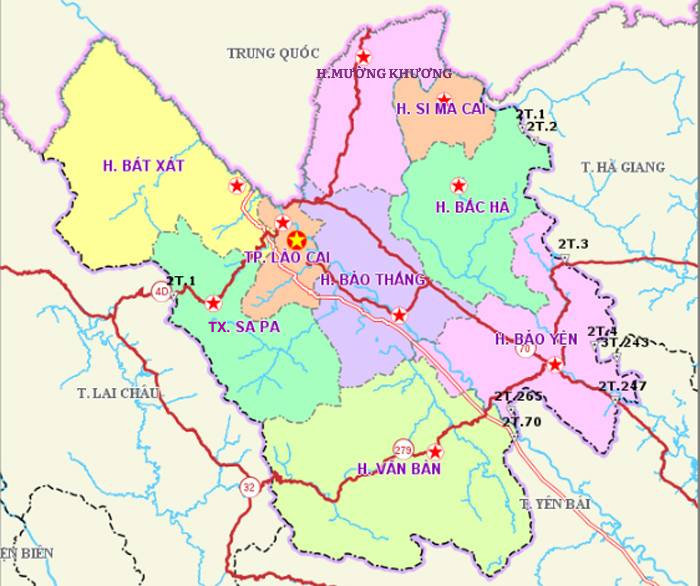
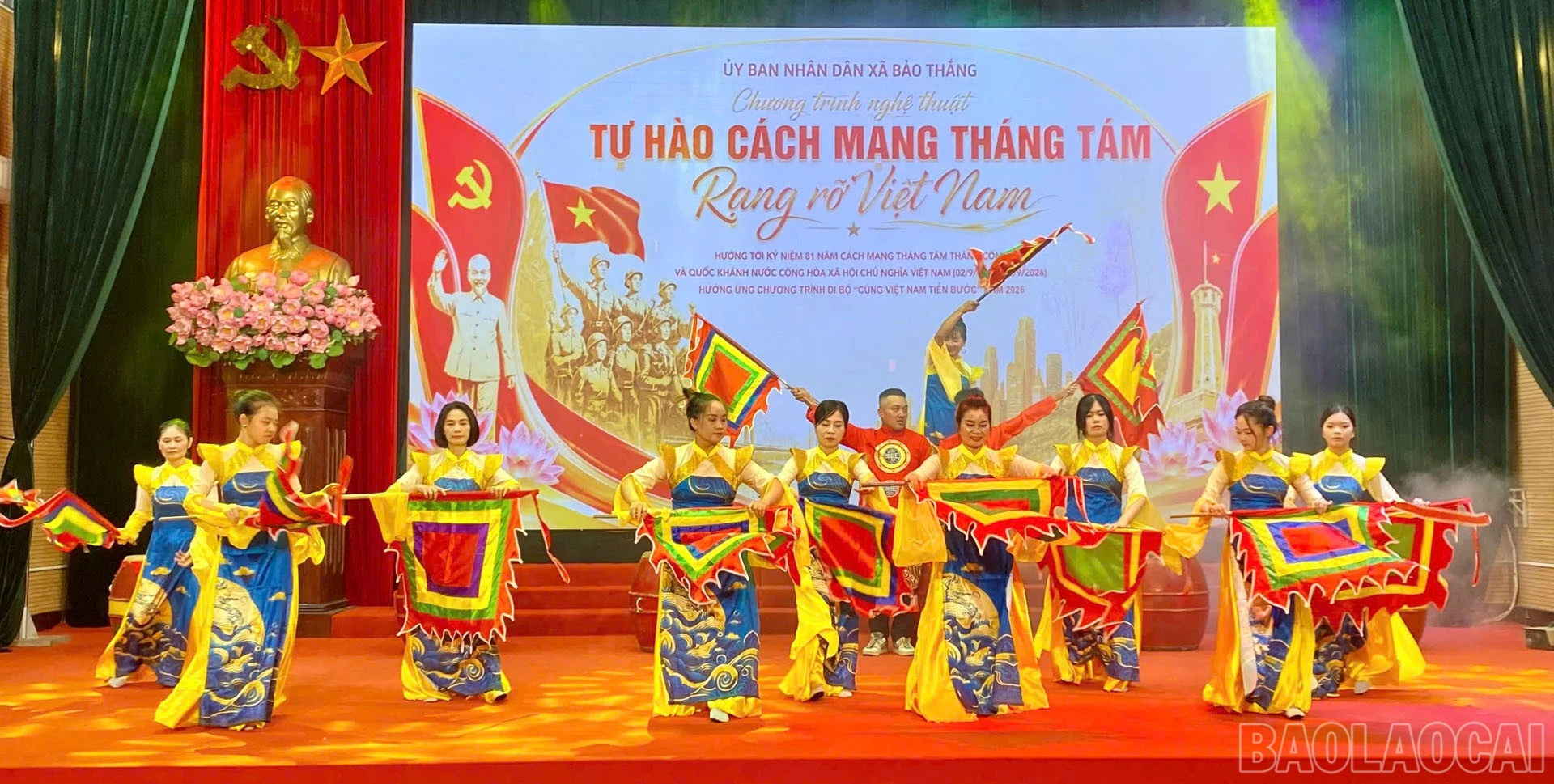
Ahead of the 81st anniversary of the August Revolution and the September 2 National Day, localities across Lao Cai Province are holding a wide range of lively cultural, arts and sporting activities, creating a festive atmosphere, spreading national pride and strengthening solidarity among residents.

Hundreds of performers, residents and visitors joined an arts programme welcoming the 2026 Bac Ha Autumn Festival at the Bac Ha Cultural Market stage on the evening of August 29.
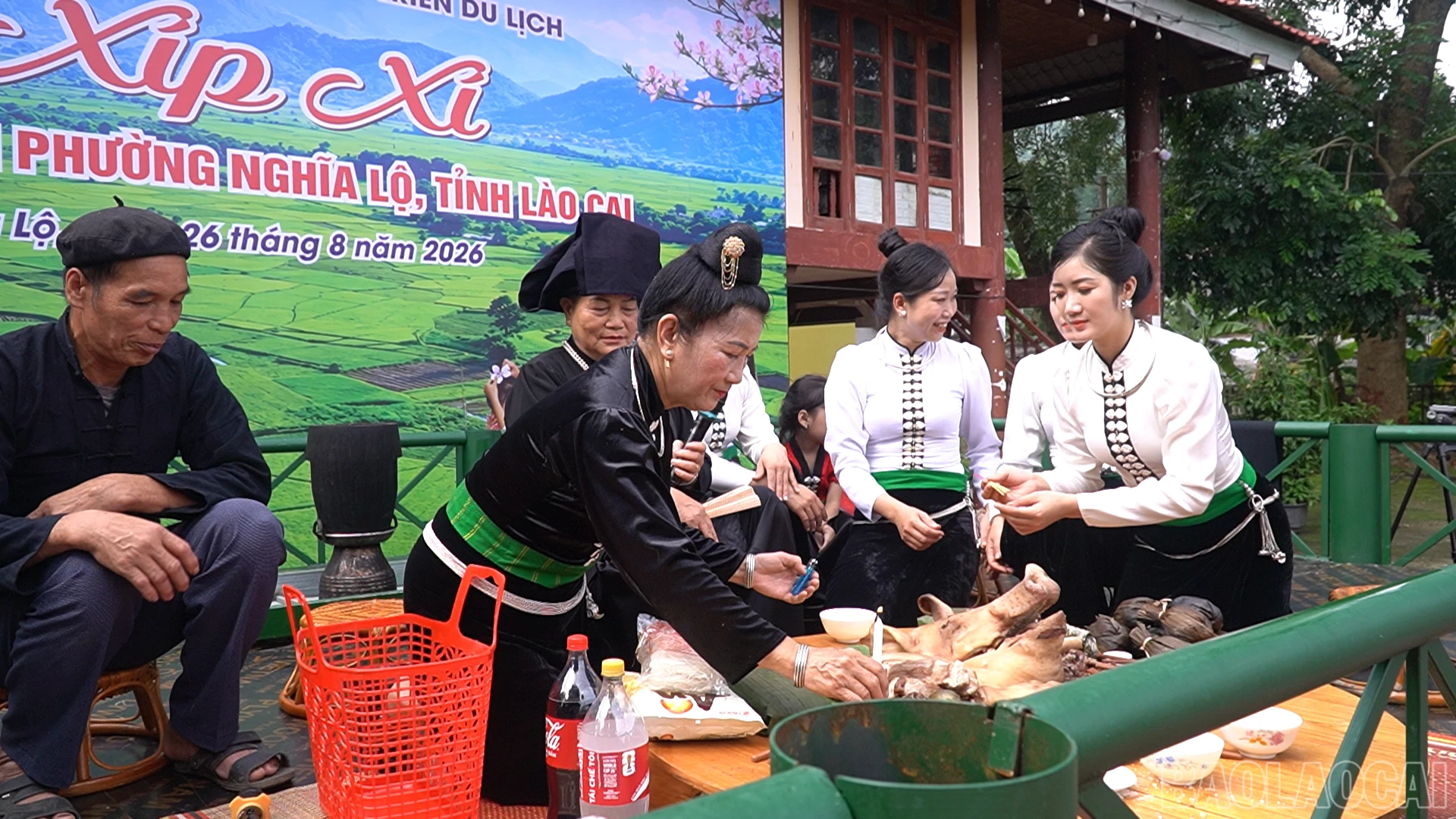
On the morning of August 26, the Nghia Lo Ward People's Committee organized a Xip Xi Festival programme recreating the customs, rituals and distinctive cultural practices of the Thai people's traditional celebration.
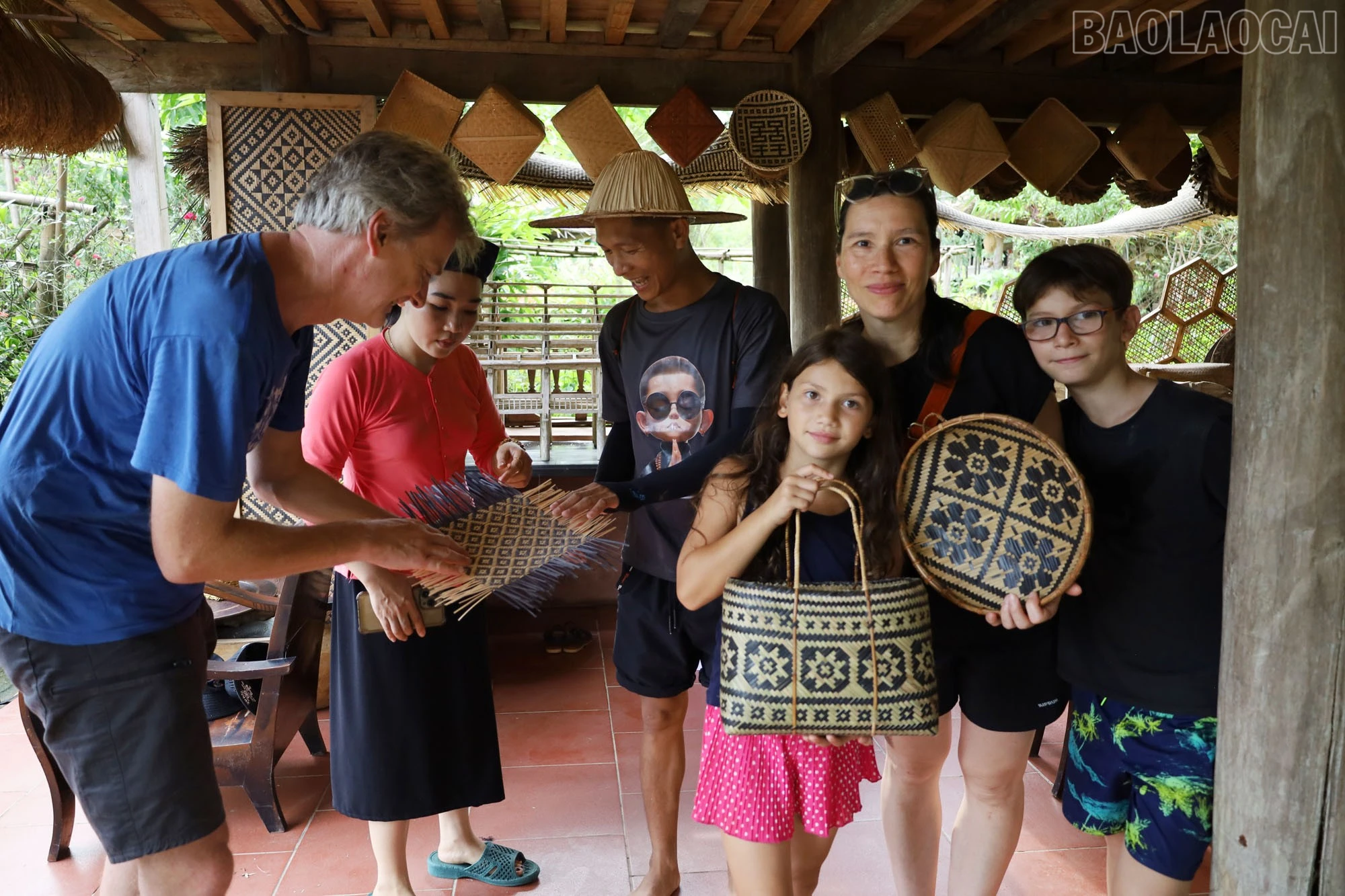
As part of the 2026 Nghia Do Temple Festival, a series of hands-on activities showcasing the cultures of local ethnic groups was held on the afternoon of August 25 at the Nghia Do Indigenous Cultural Experience Area. The activities help promote traditional cultural beauty while raising awareness of the need to preserve and promote ethnic identity.
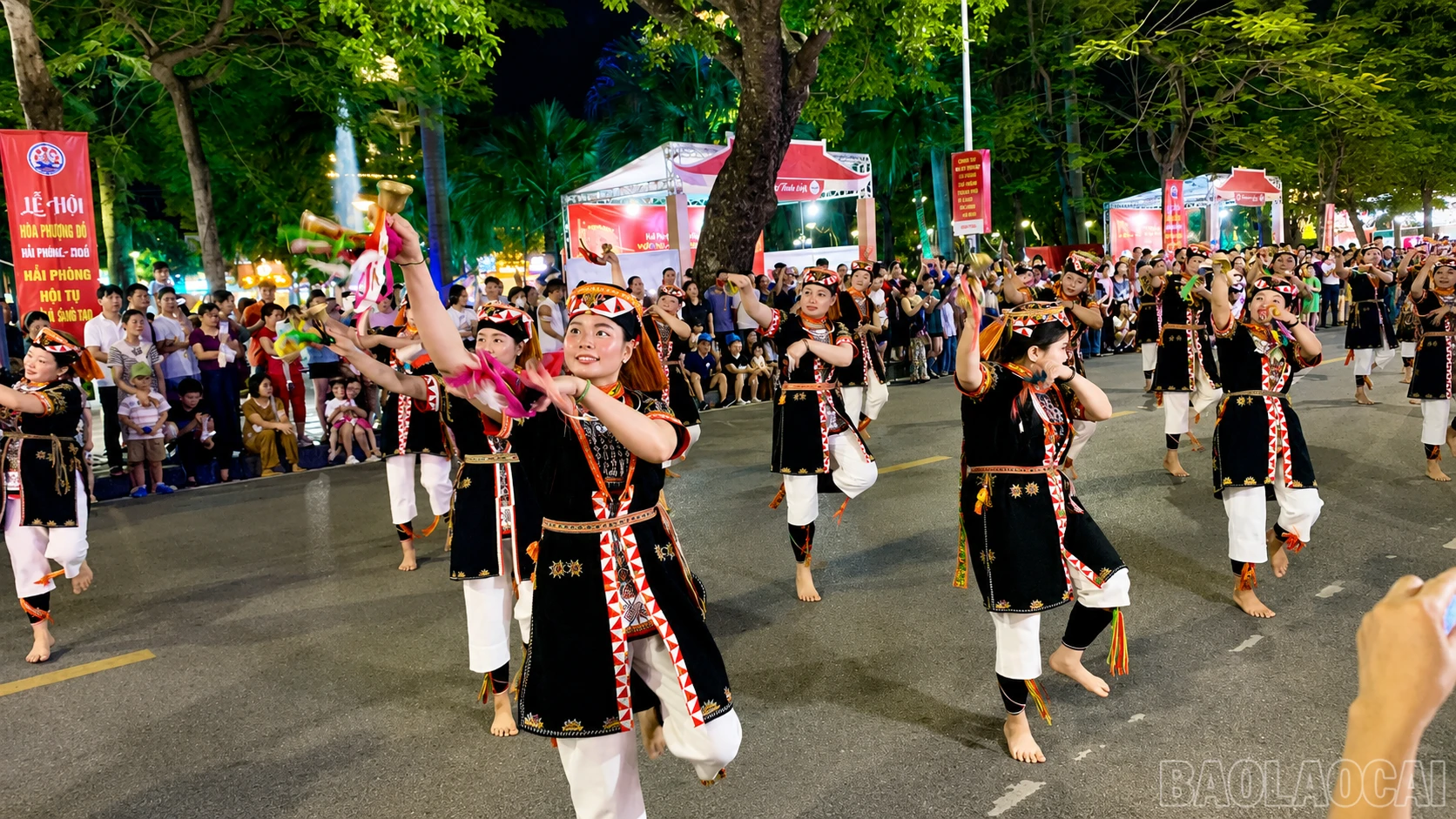
Once performed only at traditional festivals of the White-Trousered Dao, the "Echoes of the Mountains and Forests" dance is becoming a distinctive cultural product that helps promote Thac Ba Lake and develop community-based tourism.
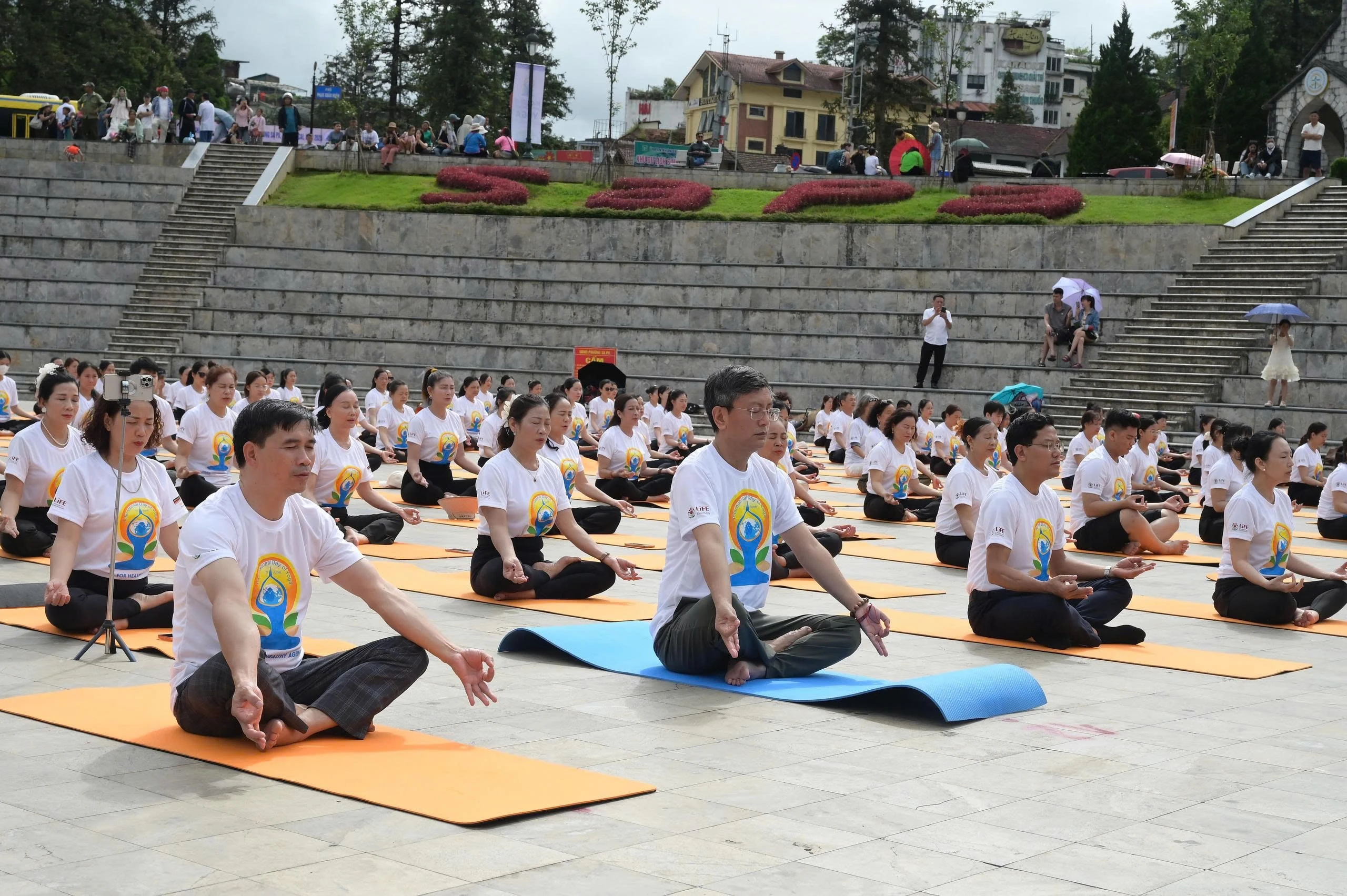
On the morning of June 7, at the Sa Pa ward tennis grounds in Lao Cai province, the space came alive as more than 300 yogis in matching attire gathered together, creating a vibrant tableau in a program celebrating the 12th International Day of Yoga (June 21).
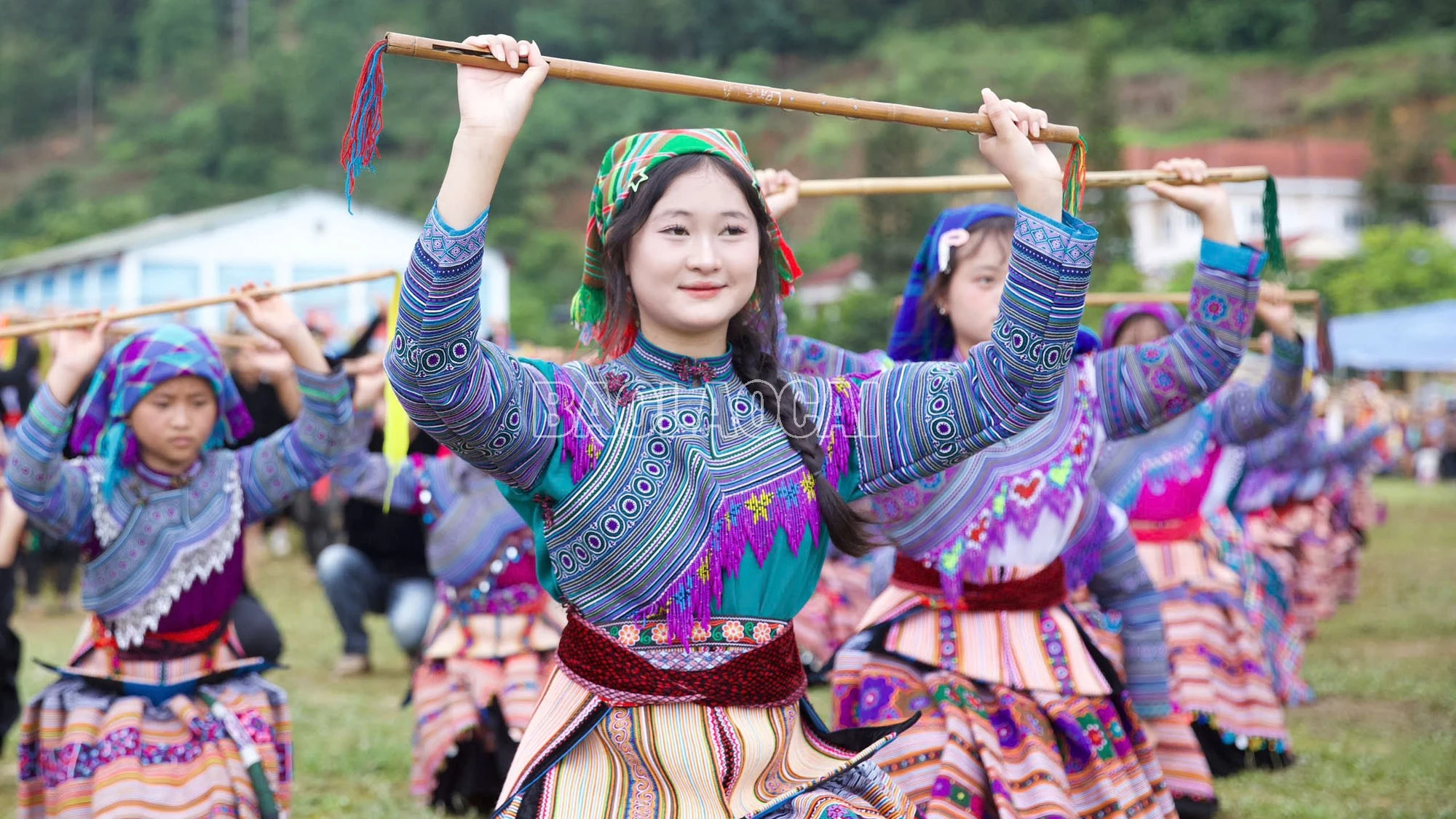
As part of the “Si Ma Cai – Highland Charm” Festival, Si Ma Cai commune set a Vietnamese record with an unprecedented large-scale senh tien dance performance.
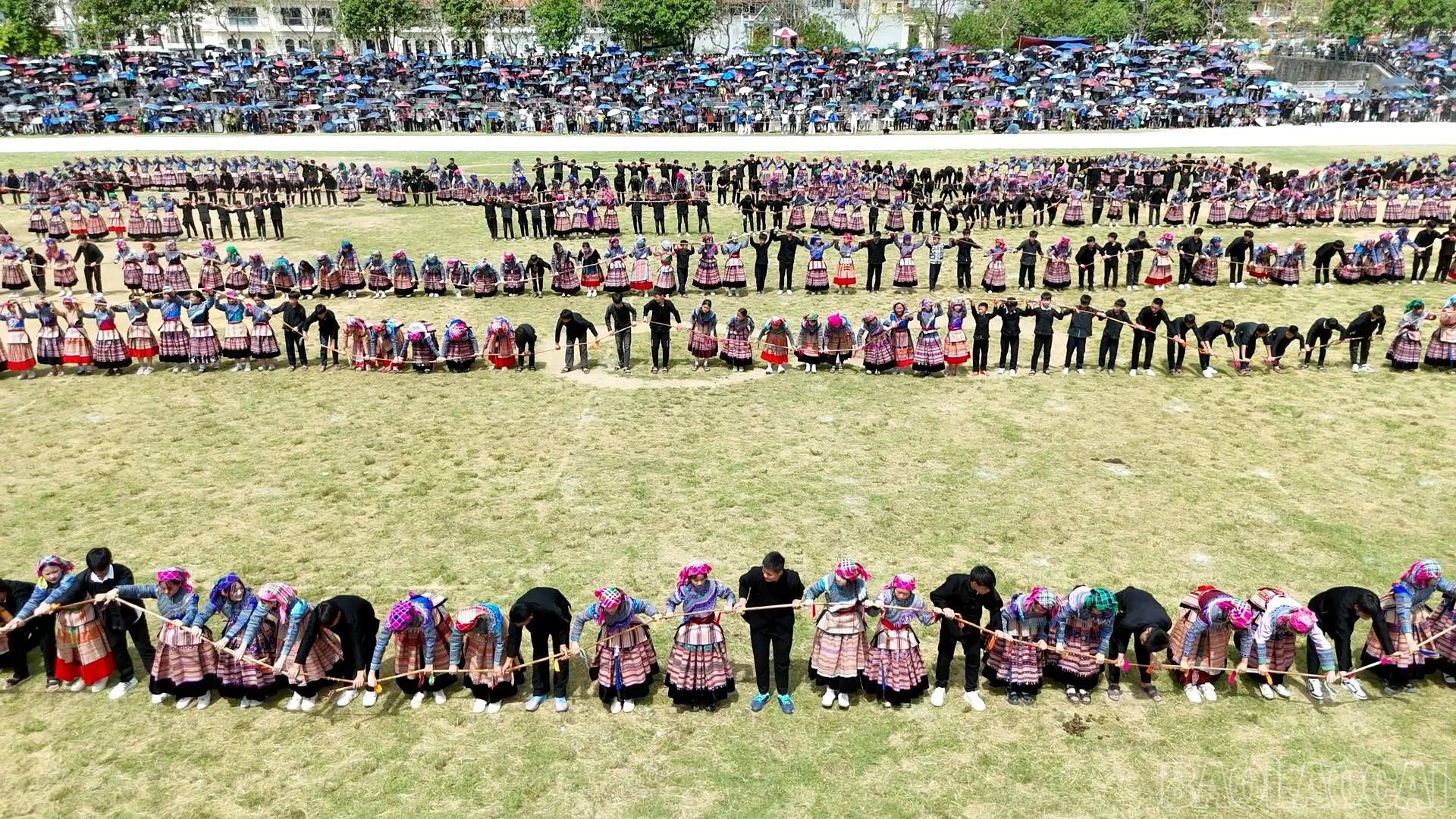
On the morning of May 24, at the central stadium of Bac Ha commune, a mass performance of the Senh Tien dance, with the participation of 1,000 students, created an impressive highlight within the framework of the 2026 Summer Festival "The Echo of Hooves Across the Plateau".
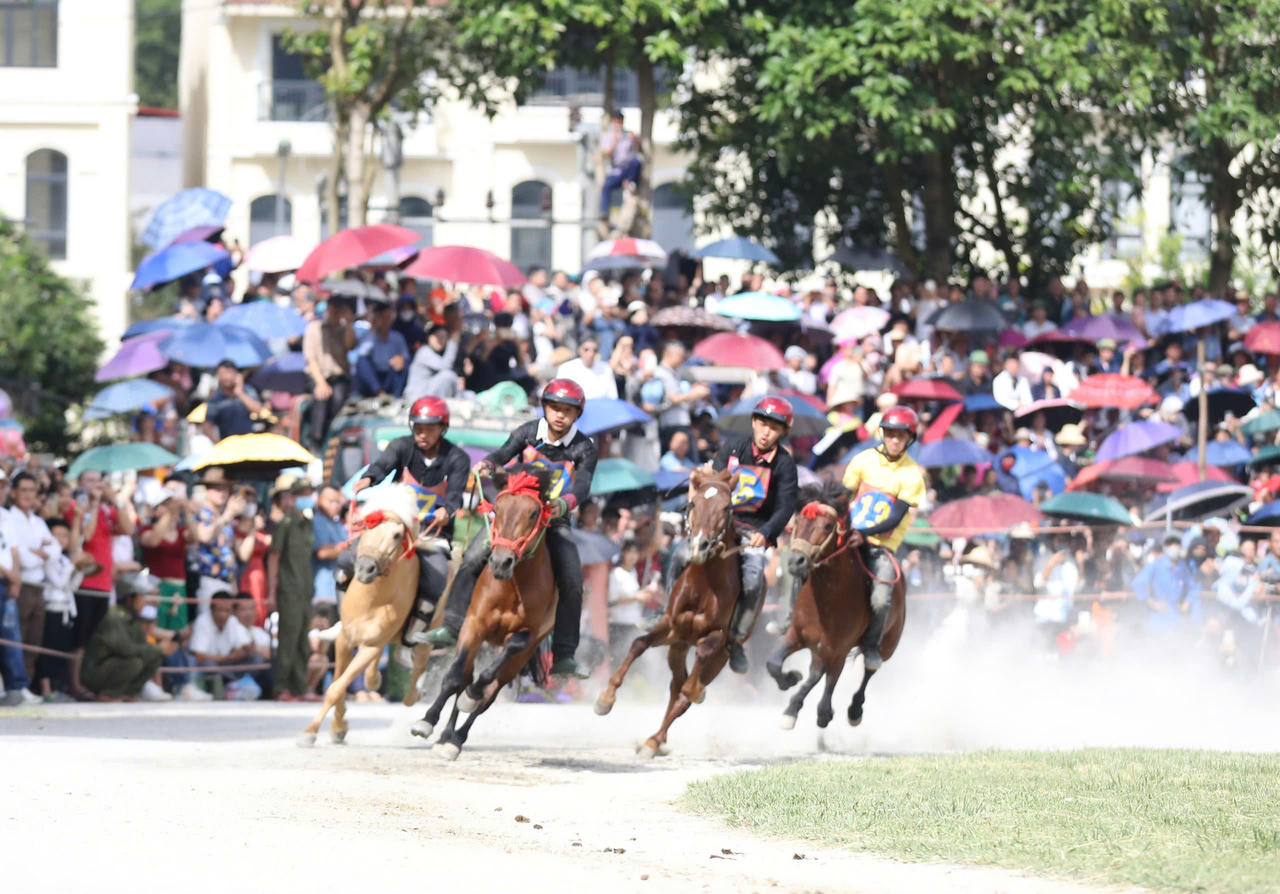
The final round of the 19th Bac Ha Traditional Horse Racing Tournament took place on the morning of May 24th in a vibrant and exciting atmosphere, featuring fierce competition among the "barefoot riders" of the highlands. This event continues to be a highlight in the series of activities for the 2026 Summer Festival "The Hooves of the Highlands".
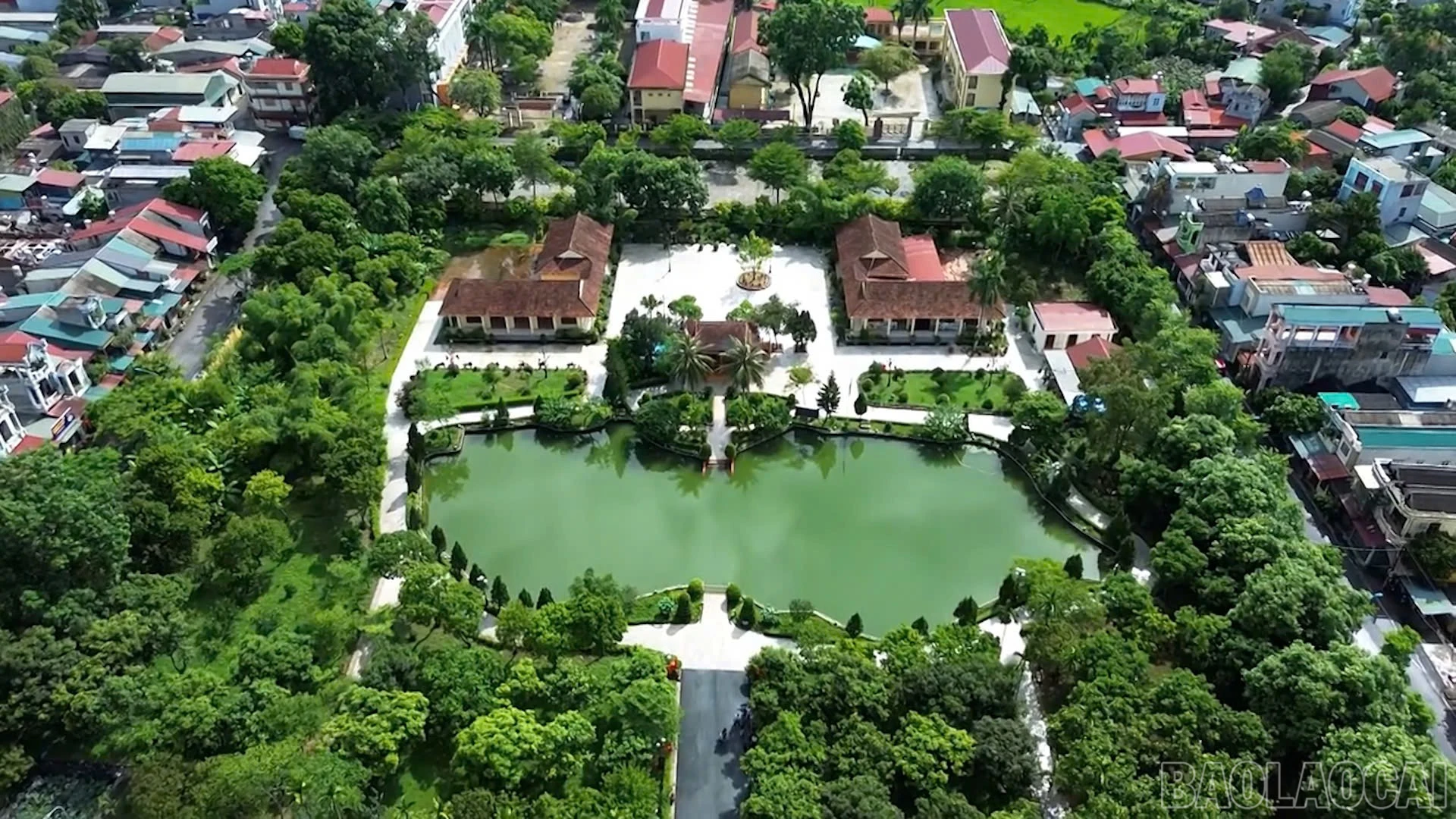
In May, people from all over flock to the Ho Chi Minh Memorial Area in Nghia Lo ward to offer incense and pay respects to President Ho Chi Minh. This memorial site is also a "red address" for educating about revolutionary traditions and preserving the sacred feelings of people of all ethnic groups for their beloved President Ho Chi Minh.