Human Rights Education – The Key to Building the Future Generation
In the context of global integration and the continuous development of society, human rights have become a core value that needs to be protected and promoted. Including this content in the education program in the national education system not only raises awareness but also helps students understand and respect the rights of themselves and others.
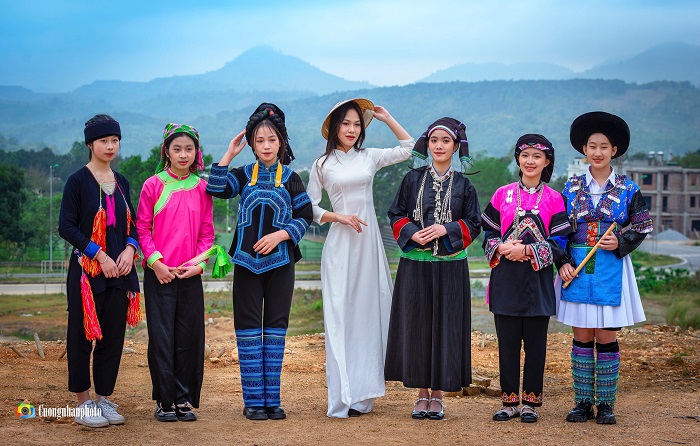
According to a Harvard University study, students who took human rights courses had 25% higher critical thinking skills than the control group. (Illustration: Manh Cuong)
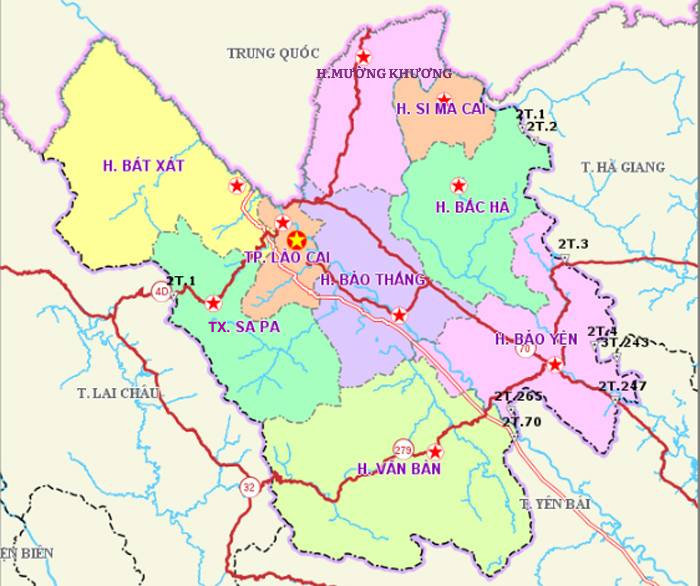
Lao Cai has made important progress in implementing the project "Incorporating human rights content into the national education program". Accordingly, human rights education activities have been strongly implemented from preschool to general education, creating a solid foundation for social awareness.
Outstanding results
In Lao Cai province, in 2024, the whole province will have 607 schools with 232,362 students, including 85,540 primary school students and 62,155 secondary school students. The project has been integrated into core subjects such as Nature and Society, Vietnamese, Science and experiential activities. In particular, human rights content is implemented in both extracurricular activities and collective education, helping students have a more multi-dimensional view of human rights aspects, from the right to life, the right to education, to the right to freedom of speech and participation in social life.
At Thai Nguyen University Branch in Lao Cai Province, the integration of human rights into the educational program is carried out through student civic activities, especially the “Citizenship Week” held at the beginning of each school year. This is an important opportunity to raise students’ awareness of their rights and obligations. During this week, the school focuses on disseminating legal regulations related to human rights, civil rights and student rights according to legal documents such as the 2013 Constitution, the 2019 Education Law and other relevant laws.
The content of these activities includes teaching regulations and rules on training, political education and student affairs, policies and regimes for students; at the same time, providing information on regulations related to traffic safety, network security, drug prevention and prevention of harmful effects of tobacco and alcohol. This helps students better understand their rights and obligations, thereby having the right attitude and responsibility in implementing the Party's guidelines and policies, and the State's policies and laws.
Human rights education in secondary and high schools is integrated into subjects such as civics and economics and law. 100% of secondary and high school students participate in these subjects, with content revolving around equality, non-discrimination, respect for differences and core human rights values.
Right from preschool education, children have access to basic human rights content through daily educational activities. Contents such as the right to life, the right to care, the right to education and the right to protection are integrated into fun and experiential educational activities.
Early human rights education not only helps children understand their own values but also develops skills in conflict resolution and respect for differences among peers. This plays an important role in building a generation of young people who are aware of respecting human rights and are ready to protect their own rights and those of others.
Difficulties and challenges
Despite many positive results, there are still some difficulties in the implementation process. Notably, the source of documents and textbooks on human rights is not abundant, leading to difficulties in designing and implementing teaching content. In addition, many teachers have not received in-depth training on human rights, affecting the quality of teaching. The integration of human rights into subjects is not uniform, leading to students having an incomplete view of human rights. Local culture and customs affect the reception and implementation of human rights content. Funding and human resources are still limited to effectively implement teaching and extracurricular activities related to human rights.
However, with the efforts of local authorities and support from central agencies, Lao Cai province is continuing to develop and adjust human rights education content to better suit reality.
Integrating human rights into the education system is not only the responsibility of the education sector but also part of the national sustainable development strategy. Through this, students will not only be equipped with knowledge but also better understand their role in protecting human rights and building a more just and humane society./.