Lao Cai focuses on economic development of ethnic minority areas
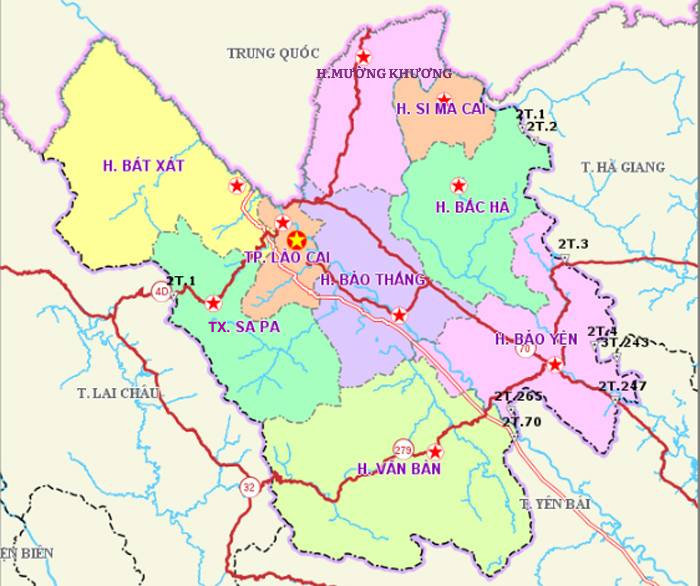
Lao Cai is a mountainous, border province located between the Northeast and Northwest regions. The whole province has over 781 thousand people, including many ethnic groups living together, with ethnic minorities accounting for over 66.2% of the province's population. The whole province has 138 communes, wards, and towns in ethnic minority and mountainous areas; 1,174 villages and residential groups, of which 605 are extremely disadvantaged.From 2019 to present, the Central government and the province have spent over 17,000 billion VND to invest in ethnic minority and mountainous areas to carry out socio - economic development, sustainable poverty reduction and people 's lives enhancement.
Up to now, 100% of communes in the province have roads with hardened surface to the commune center; 100% of villages and hamlets have roads to the village center, of which over 70% have hardened surface; 100% of communes using national electricity grid, of which the rate of households in ethnic minority areas using national electricity grid is 97.6%; the whole province currently has a total of 834 concentrated rural water supply works, ensuring water supply for 43,960 households; the rate of rural households using hygienic water is 96.3%.
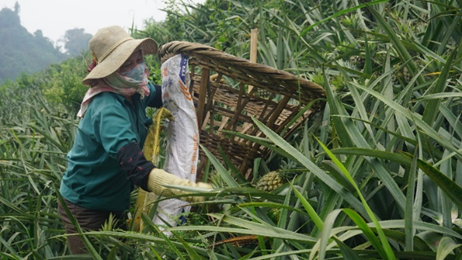
People of Ban Lau (Muong Khuong) harvesting pineapple.
The province has focused on strongly directing the transformation of production structure, crop and livestock structure, implementing agricultural and forestry extension work, guiding intensive cultivation and increasing crops; providing new varieties with high productivity, encouraging and helping people change their farming practices from small-scale and traditional to developing commodity agricultural production. Collective economy and agricultural cooperatives in the province continue to develop in a variety of quantity and quality. The whole province has 296 cooperatives, the activities of cooperatives have been innovated and increasingly effective, the content of activities has expanded from single sector to multi-sector; cooperatives operating in the agricultural sector have shown an important role in applying and transferring scientific and technical advances into production, promoting the transformation of crop and livestock structure, contributing to creating more new jobs, raising income and improving the material and spiritual life of rural people.
Lao Cai promotes the development of tourism infrastructure, prioritizing the development of unique tourism products associated with the cultural identity of ethnic minorities. The whole province currently has 11 recognized community tourism sites and 01 national tourist area; 457 homestay accommodation establishments with over 1,000 rural laborers participating in community tourism activities; the annual average income of households doing homestay community tourism is about 35 - 40 million VND.
The province effectively implements vocational training policies for rural laborers, especially ethnic minorities, which contributes to increase the proportion of working-age laborers receiving vocational training suitable to the needs of ethnic minority areas from 46.3% in 2021 to 52.8% in 2023; helping laborers have stable jobs and livelihoods to increase income.
Effective implementation of ethnic policies contributes to rapidly reducing the poverty rate under the multidimensional standard of the whole province from 25.19% in 2021 to 14.94% in 2023; in which, the poverty rate in ethnic minority areas decreased from 31.3% to 18.8%. Average income per capita reached 95 million VND/person/year.
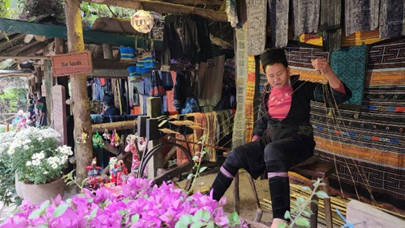
Traditional crafts contribute to hunger eradication and poverty reduction for ethnic minorities.
In the emulation movement to implement the National Target Programs, there have been many examples of voluntary land donation, property contribution, and labor days to build new rural areas. Typically, the family of Mr. Ma Seo Lang donated nearly 2,650m2 of land to build the road connecting Lung Po village to the center of A Mu Sung commune; the family of Mr. Giang A Ho in Nam Trang village, Nam Ma commune, Van Ban district donated over 6,000m2 of land to expand the intra-field road, and so on.
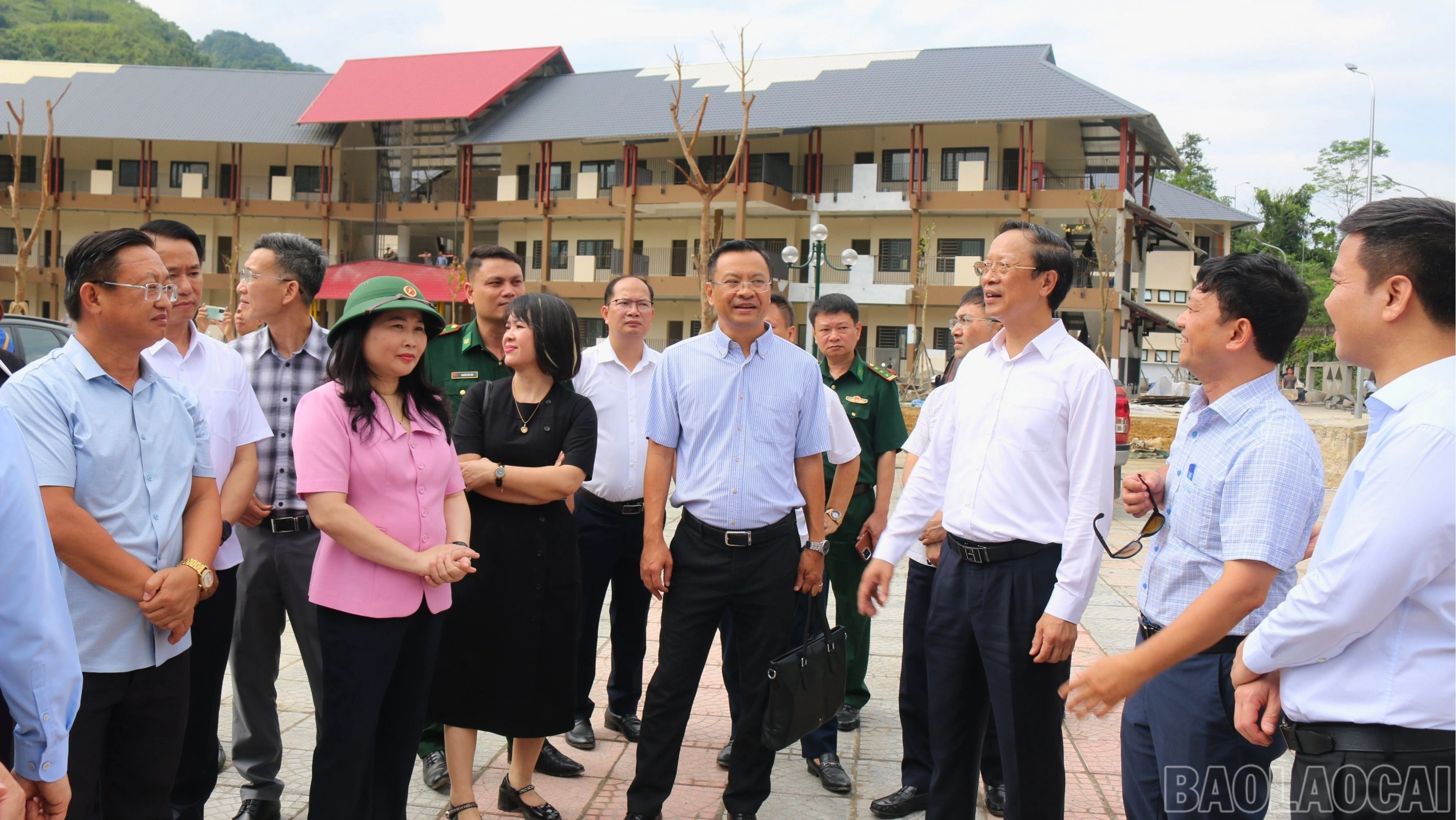
Education in ethnic minority areas is always of attention. The province has 09 ethnic boarding schools, 134 semi-boarding schools and 98 schools with semi-boarding students; Of which, 5 ethnic boarding schools meet national standards; 70 boarding schools for ethnic minorities meet national standards. The province focuses on building, maintaining and improving the effectiveness of implementing the models: "Boarding schools raised by the people - Food for children"; "Self-managed boarding students - Helping each other to progress" . Universalization work is maintained in 100% of communes, wards and towns; The rate of ethnic minority students going to school is always maintained at a high level.
The grassroots healthcare network has been invested in, and the province timely, fully and effectively implements health policies for ethnic minorities, especially health insurance policies and health care for the poor. The authority also propagates and mobilizes people to implement population planning, contributing to raise awareness of ethnic minorities about population - family planning; effectively implements support policies of the Government and the province on population work.
The development of ethnic minority cadres, civil servants and public employees has been given attention. Up to now, the ethnic minority cadres, civil servants and public employees of the province have improved in both quality and quantity. The total number of ethnic minority cadres, civil servants and public employees at the provincial and district levels is 8,064 people, accounting for 33.6%.
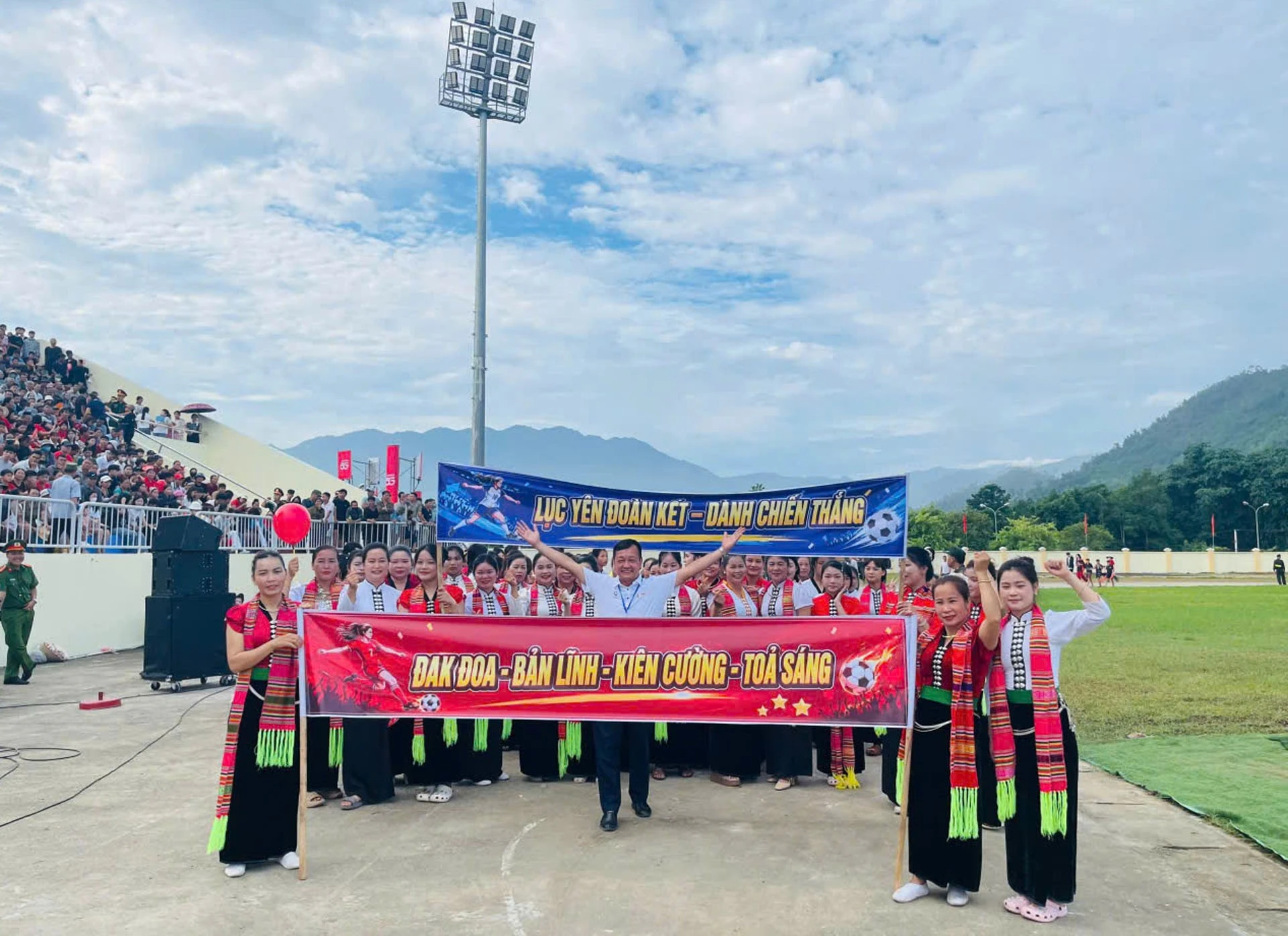
In addition, improving the effectiveness of preserving and promoting the cultural identity, language, writing, customs, practices, and good traditional beliefs of ethnic minorities, and propagating and mobilizing people to reform backward customs is always focused on; the work of reforming backward customs in the daily life of ethnic minorities is carried out regularly, associated with the movement to build new rural areas and civilized urban areas, focusing on mobilizing people to practice environmental sanitation, reduce poverty, and improve people's spiritual and material life.
In the coming period, Lao Cai is determined to continue investing in and developing ethnic minority regions, aiming to exploit their potential and leverage their natural advantages and central regional position. The province will prioritize environmental protection and the living spaces of ethnic minority communities, conserve biodiversity, adapt to climate change, and promote sustainable development. Efforts will be made to gradually reduce the income gap between ethnic minority and mountainous regions. The number of extremely disadvantaged communes and villages will be decreased, with a focus on attracting resources to invest in building economic and social infrastructure in ethnic minority areas./.