Red-leaf forest locust season
Each season is marked by a change in the color of the leaves, the color of the flowering season. Early summer is also the end of the rice flower season, but in the highlands of Lao Cai at this time, it is very easy to see on the valley slopes with bright red foliage trees that stand out among the green forests. On a clear, sunny day, that tree is much more beautiful - at first glance, many people think it is a red maple tree, but when they find out, it is a type of forest locust that comes in the red season. |
| The forest locust tree in the highlands changes color to red leaves in the season |
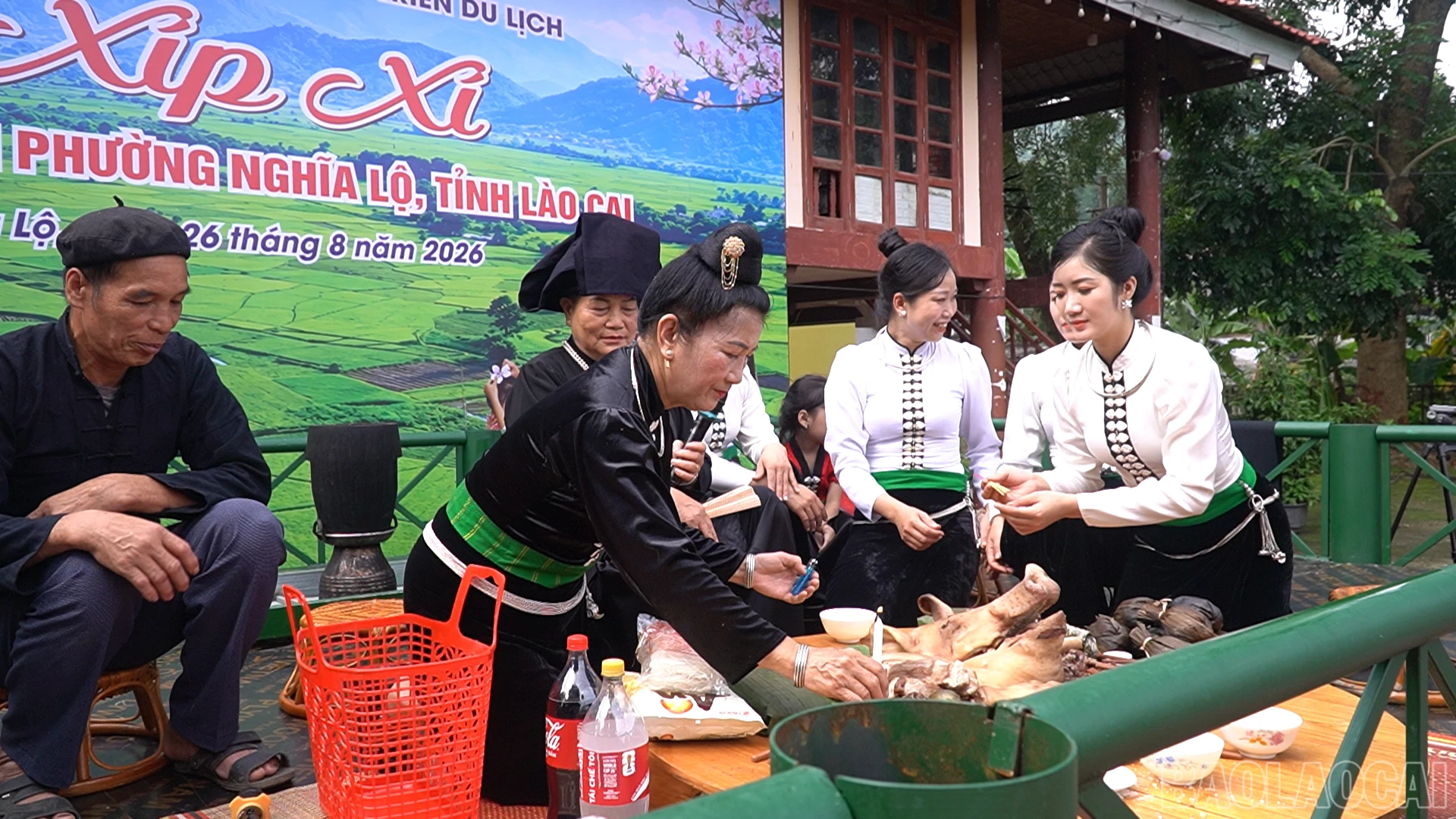
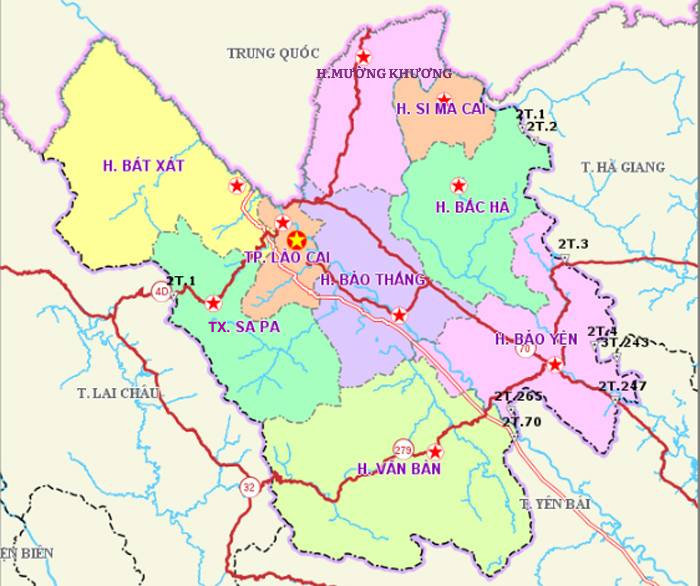
We had the opportunity to visit the villages of the Tay ethnic group in Liem Phu (Van Ban), Nghia Do (Bao Yen) and Ban Lien (Bac Ha), enjoying seeing the red-leaved trees on the mountain back, stand out against the deep blue sky. Every year, "come and meet again", every time the highland people prepare to sow seed for the crop, the leaves of the forest locust tree change color.
According to the Tay people in Lao Cai, the forest locust tree is called "may coong", which is likened to a natural clock signaling the main production season of farmers in the highlands. In lowland areas such as Bao Yen and Van Ban, this is the time to prepare for the ripe rice season. The forest locust tree often grows on high hills, mixed in with many families' palm plantations or cinnamon plantations, used by relatives to make household objects, and sometimes old people tell their grandchildren to pick them and dry, boil water to wash hair…
Usually, many trees turn red in autumn and winter, such as maples, eagles, etc., but forest locust trees choose the late spring and early summer weather to change color. The red-leaf season lasts about a month to a month and a half. According to people in areas with forest locust trees, before the leaves run out of red, they will gradually turn red-orange, orange and then green again. "Just look at that red, come back in about half a month, everyone will think that the red leaves have disappeared naturally, because at that time, all the leaves have changed to green" - a resident in Liem Phu points up to the locust tree in the red season and tells us so.
In the cycle of time, there is a season of red leaves appearing, which also creates an attraction for those who like to experience and explore the beauty of the highland village culture. Mr. Lam A Nang, owner of Ban Lien Forest homestay in Ban Lien commune (where there are many red leaves) said: The red leaf tree in Ban Lien was voted as one of 10 interesting check-in points of the "white plateau" region. In recent years, every April and May, many groups of guests stay at the family's homestay to see the red leaves. Many tourists enjoy taking pictures with red-leaved trees at dawn or dusk in Ban Lien.
Every year, when the forest locust trees in the highlands are in the red season, it is also the time on the terraced fields, people enter the farming season, collect water to pour in to the crop, and prepare for the rice transplanting season. Just like that, the appearance of red-leaved trees creates the unique beauty of the highland village of Lao Cai. Although the time of the red leaf season is not long, it is also a season of the year that makes many people eagerly wait. This year, due to the outbreak of the Covid-19 pandemic, many tourists from far away dating to experience the highland season of the locust tree in the red-leaf forest had to wait for next year's trip...