Turn intangible cultural heritage into assets
In addition to its spiritual value, the intangible cultural heritage also has great economic benefits. In order to turn cultural heritages into assets, create livelihoods, and increase income for people, it is very important to link heritages with community life.
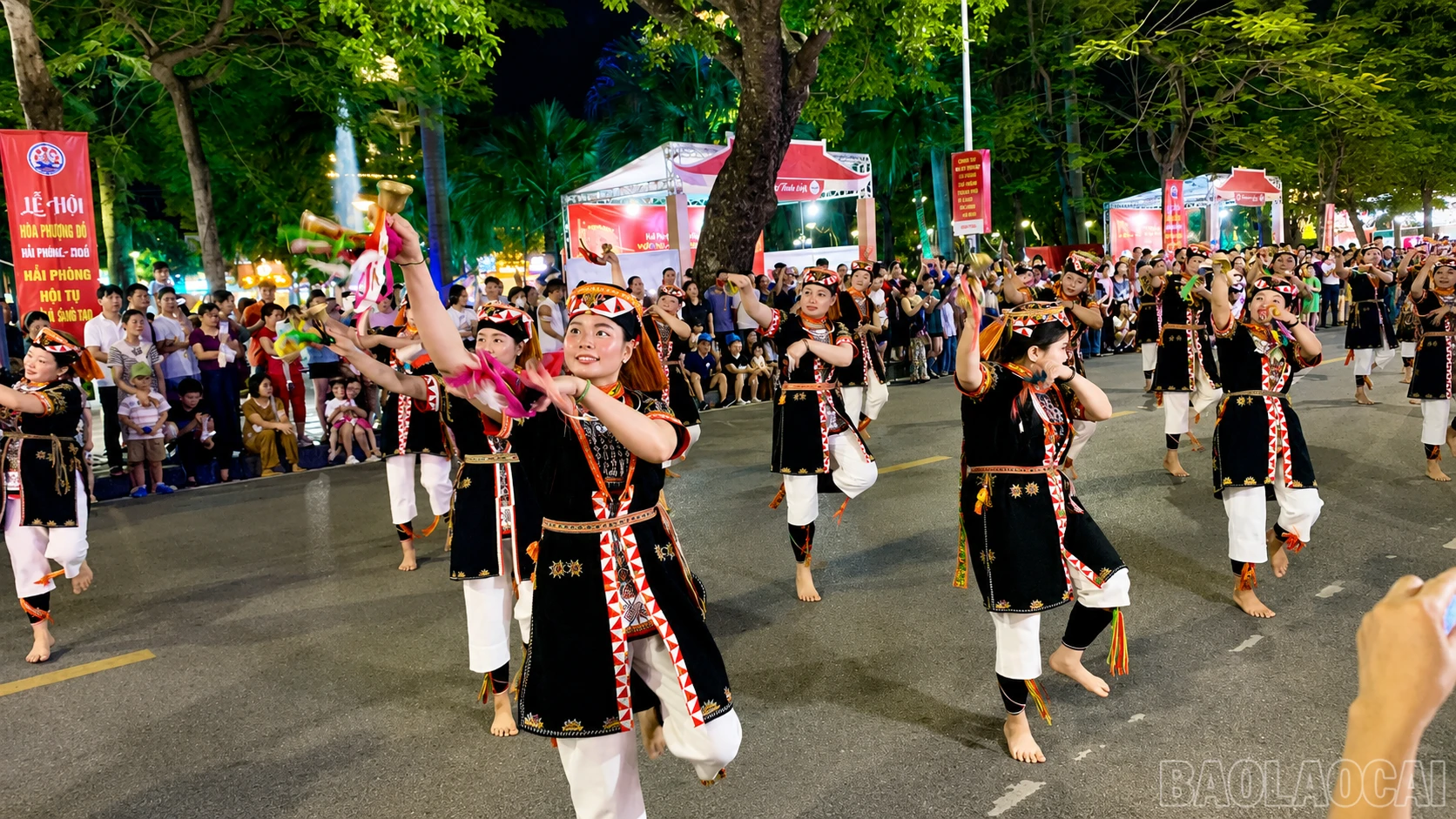
Ceremony of Red Dao people.
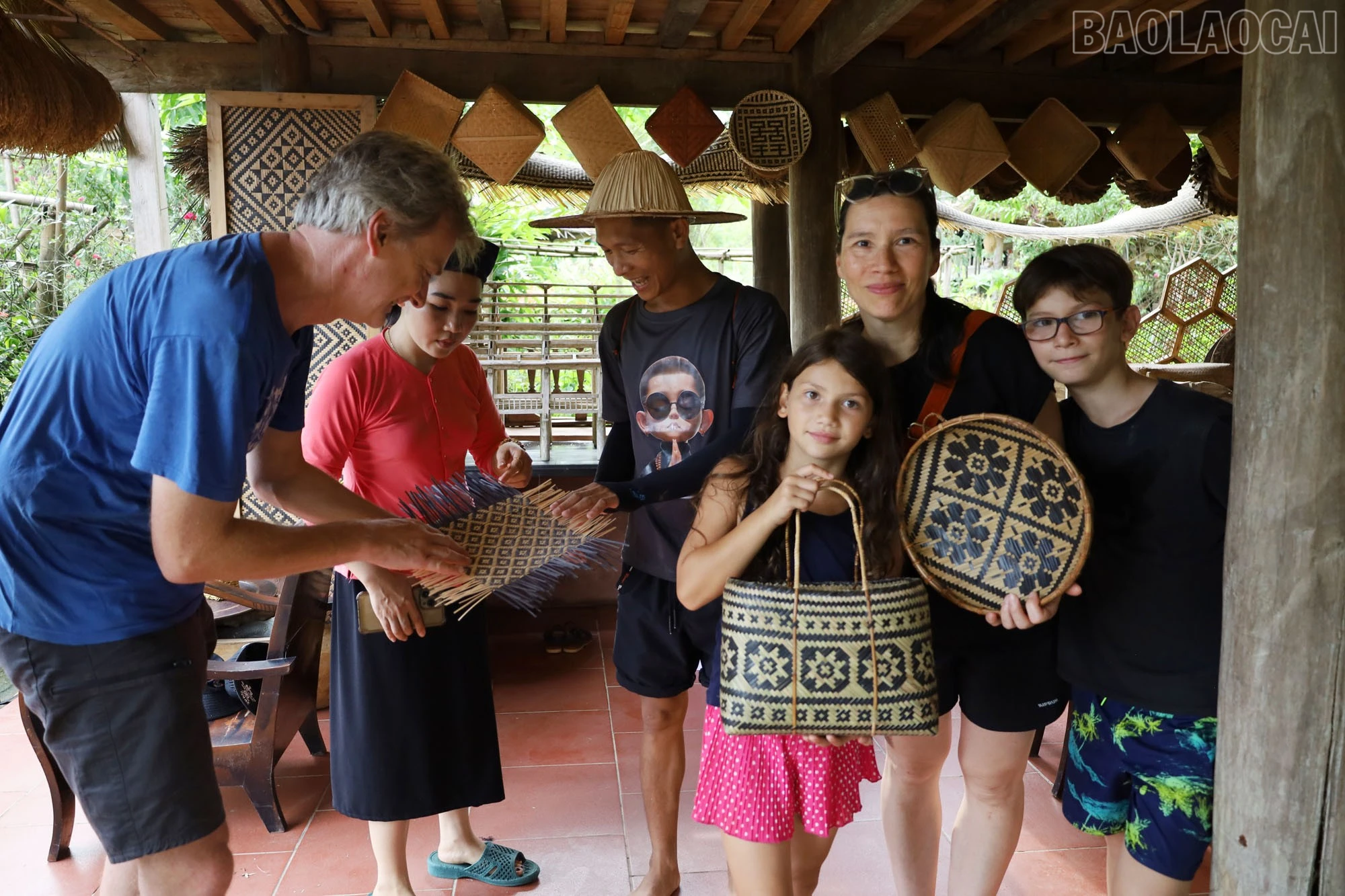
In recent years, the community based tourism is a new experiential trend attracting domestic and foreign tourists. Each ethnic minority community has a diverse cultural treasure and is a resource for localities to promote tourism development, increase income for people, and contribute to preserving and promoting identity. native culture.
The Tay people in Ta Chai (Bac Ha) are famous for their unique dancing, simulating labor activities, production and living practices. Previously, the show was performed only for the family of Hoang A Tuong, the guests and the neighboring areas. Nowadays, spreading becomes an indispensable activity in the cultural activities of the Tay people in Ta Chai. The dance has become a valuable asset, a tourism product that attracts tourists from all four directions through the development of community based tourism. Ta Chai commune has established 5 xe dance teams in 5 villages, each team has 12-15 core craftsmen who practice regularly to serve local festivals and community tourism. Currently, Ta Chai tourism is thriving with 19 homestay facilities, accounting for 44.1% of the homestay in the district. Each year, accommodation establishments in the commune attract more than 2,000 visitors. Community based tourism has created employment opportunities, contributing to improving the material and spiritual life of people when participating in tourism. According to statistics of the Department of Culture, Sports and Tourism, the average income of each household doing the community tourism is from 20 to 30 million VND / year, many households have an income of 60-100 million VND / year.
In 2020, Lao Cai is recognized by the Ministry of Culture, Sports and Tourism to 6 national intangible cultural heritages, of which Van Ban district has 3 more and becomes the locality with the number of cultural heritages the most national intangible chemical in the province. In the past, the Tay Van Ban's Tày Văn Ban festival was held only on a village and commune scale. In 2018, after being recognized as a national intangible cultural heritage, the festival is held more frequently and on a larger scale, attracting not only locals, but also local visitors. In particular, in recent years, in addition to maintaining 12 clubs across Nom in 12 communes and towns with a large number of Tay people living, every year, Van Ban district also organizes the All-Nôm Tay festival. This is the "playing field" that attracts many members of various clubs across the country to participate, contributing to preserving this unique folk tune. Ms. Phung Hoang Oanh, Deputy Head of Van Ban District Culture and Information Office said: In 2019, within the framework of the cultural development target program, Van Ban district was sponsored by the National Institute of Culture and Arts of Vietnam to open a teaching class for the folk song of the country in Khanh Yen Trung commune. This is an opportunity for Van Ban district to develop and elevate the typical type of Tày people's folk activities, promoting the cultural heritage value in the community. Every year, the District Office of Culture and Information coordinates with the commune authorities to successfully maintain and organize the early spring festivals as well as the festivals of the year. The locality also makes efforts to implement many measures to promote the value of cultural heritages, and also contribute to helping people increase their income.

The annual Thuong Temple Festival attracts thousands of tourists from all over the world.
Lao Cai currently has 33 heritages recognized as national intangible cultural heritages. In recent years, the introduction of heritage into tourism activities has brought efficiency, contributing to both conservation and economic development. Many types of folk music and arts, which have been forgotten, have been gradually restored, bringing spiritual values to the people. That shows, when the heritage is nurtured by the community, it will promote its value.
Mr. Duong Tuan Nghia, Head of Cultural Heritage Management Division (Department of Culture, Sports and Tourism) said: Each year, the industry inventories 6-8 heritages in more than 30 communes in the province, and researches, collects, and completes data related to cultural heritages each year. Cultural and artistic activities associated with intangible cultural heritages in Lao Cai take place in four seasons. This is a favorable opportunity to contribute to bringing economic benefits to people, especially upland people. After the restoration of cultural activities, the Department of Culture, Sports and Tourism has sent an official dispatch to the localities to manage, protect and promote the value of the national intangible cultural heritage. . People can directly participate in cultural activities, know their own strengths to "turn" their heritage into assets.