The Ha Nhi people celebrate the traditional Tet of Ga Tho Tho

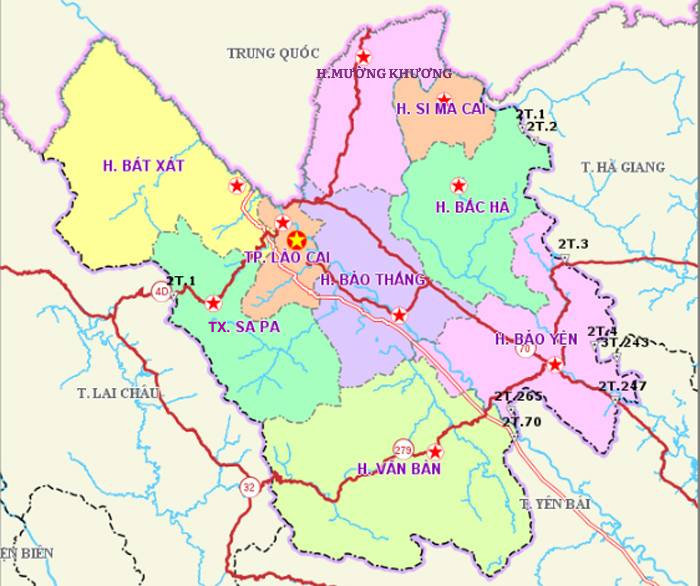
Ga Tho Tho is the traditional New Year of the Black Ha Nhi in the highlands of Bat Xat district, usually held in the November of the lunar calendar every year. This year, because it is a leap year, the Ha Nhi people celebrate Ga Tho Tho Tet earlier, from 22-25 November 2020 (ie October 8-10 of the lunar calendar).

The Ha Nhi families were busy slaughtering pigs to welcome the Ga Tho Tho Tet.

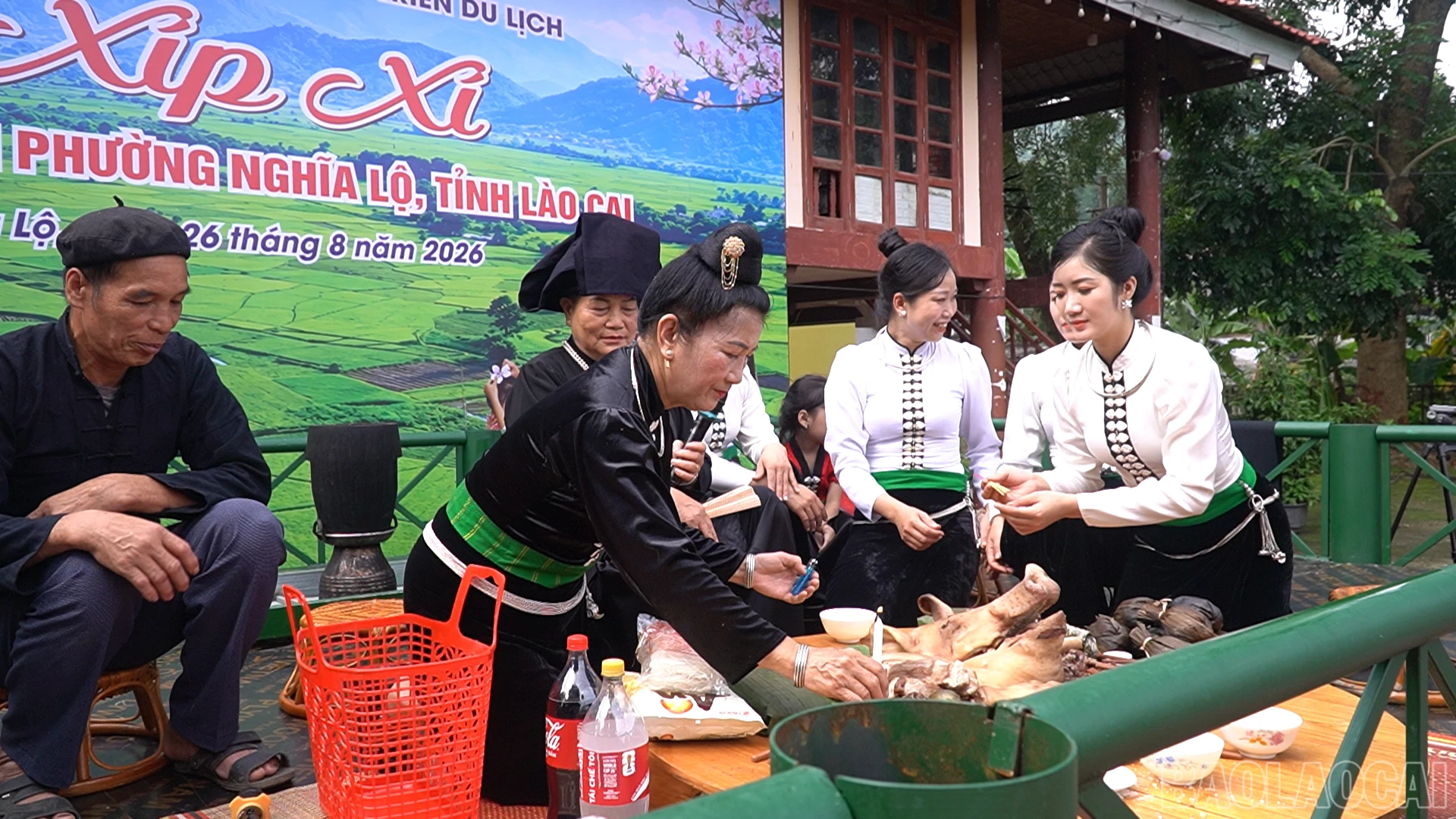
Pork is processed to make dishes dedicated to ancestors and gods.

Every year, after harvesting corn and rice, in the last days of the year, Ha Nhi people often hold a New Year's Day of Ga Tho Tho to summarize a year of agricultural production, this is also the occasion of families making offerings ancestors, give thanks to the gods and pray to the ancestors, the gods to bless the new year with a good harvest, good people and prosperity.

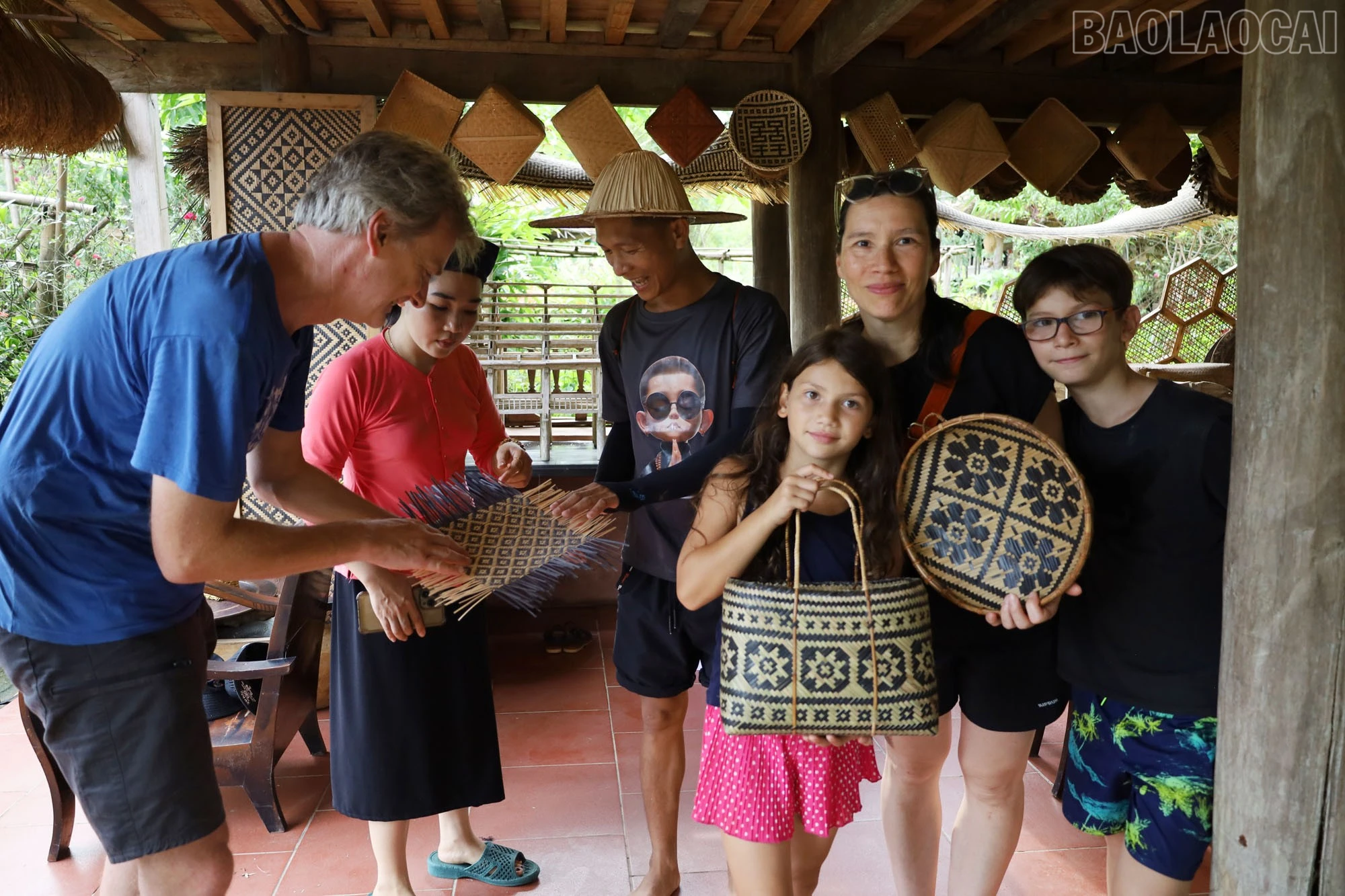
Ha Nhi women make shoes and cakes, an indispensable offering in Ga Tho Tho Tet.

Prepare dishes to be presented to the ancestor's altar.

Tet Ga Tho Tho usually takes place in 3 days. On the first day, Ha Nhi families often slaughter pigs for ancestors and gods. The owner will take heart, liver, and pork to process the offering. In addition to pork, other offerings are home-made products, including: thick cake, ginger tea, white rice, wine ...

The preparation of ancestral worshiping and worshiping ceremony is done by the man of the house with the meaning of giving thanks to the ancestors and praying for a peaceful and prosperous New Year.

After the ceremony, the offering is divided among family members to enjoy and the family rejoice over the Tet tray.

Tet Ga Tho Tho is also an opportunity for children to remember grandparents, parents, families in the clan giving gifts to each other to show their gratitude.

During the 3 days of Tet Ga Tho Tho, Ha Nhi people take a break from farming to visit and wish Tet.
According to LCĐT

Related Posts

Ceremony to announce and receive the Certificate of ranking as a provincial-level scenic relic for Ngu Chi Son peak

On the evening of May 30, at the Tennis Court, the People's Committee of Sa Pa town held a ceremony to announce and receive the Certificate of ranking as a provincial-level scenic relic for Ngu Chi Son peak and a special art program "Sa Pa - the aspiration to rise".

Inauguration of the first community reading library in Lao Cai city

On May 31, the first community reading library in Lao Cai city officially opened in the small park area of residential group 7, Nam Cuong ward. This is a project implemented by the Party Cell and mass organizations of Residential Group 7 to create a space for learning, entertainment and spreading reading culture in the community.

Following the Red Dao people into the forest to find medicinal leaves

In the treasure trove of indigenous knowledge of the Red Dao people in Phin Ngan commune, Bat Xat district, for a long time, people have known how to use many types of forest plants to make valuable remedies to cure diseases. Once following the people into the forest to find medicinal plants, we understood more about the traditional medicine profession of the people here.

Lao Cai – From the center of ancient Vietnamese settlement to the center of international trade connection

On December 20, 2024, the Government issued a Plan to develop Lao Cai into a center for connecting economic trade between Vietnam and ASEAN countries with the Southwest region of China. In which, Lao Cai city is the center of that connection journey. Looking back at the long history of this borderland, we can see that in historical periods, Lao Cai has always been a center, a connection and...

Keeping the fire of indigenous knowledge alive in Ban Pho corn wine

The mountainous district of Bac Ha (Lao Cai) is known as the “white plateau” in the middle of the Northwest sky. Not only famous for its majestic landscape and unique H'Mong villages, this place is also known for Ban Pho corn wine - a unique product crystallized from rocky mountain corn, wild yeast and the talented hands of the indigenous people. Not simply a drink, corn wine is also a...

Lao Cai recognized 2 more national intangible cultural heritages

Two national intangible cultural heritages were recognized: the weaving craft of the Tay people in Nghia Do commune, Bao Yen district and the forest worship ritual of the Pa Di people in Muong Khuong district.