Preserve ethnic cultural identities
As a famous tourist destination, Sa Pa district has a strange attraction to domestic and international tourists because of its rustic, simple but very special feature in the cultural life of the ethnic community here.Facing the danger of red Dao bathing tobacco products, in 2006, Mr. Ly Lo Lo (Ta Phin commune) urged the family members to set up a company to trade in local products of the people. Red Dao ethnic group, including bath medicine products. Mr. Lo said that the bath remedies of the Red Dao people in Ta Phin have a long time ago. Tobacco baths can cure many diseases, most commonly used for steam bath, treatment of colds, flu, helping blood circulation ... The establishment of a company stems from the desire to preserve the bath remedies of the Red Dao, and at the same time from bath remedies combined with the development of tourism services, contributing to increase income for local people.
 |
| Sa Pa people always have a sense of preserving the national cultural identity. |
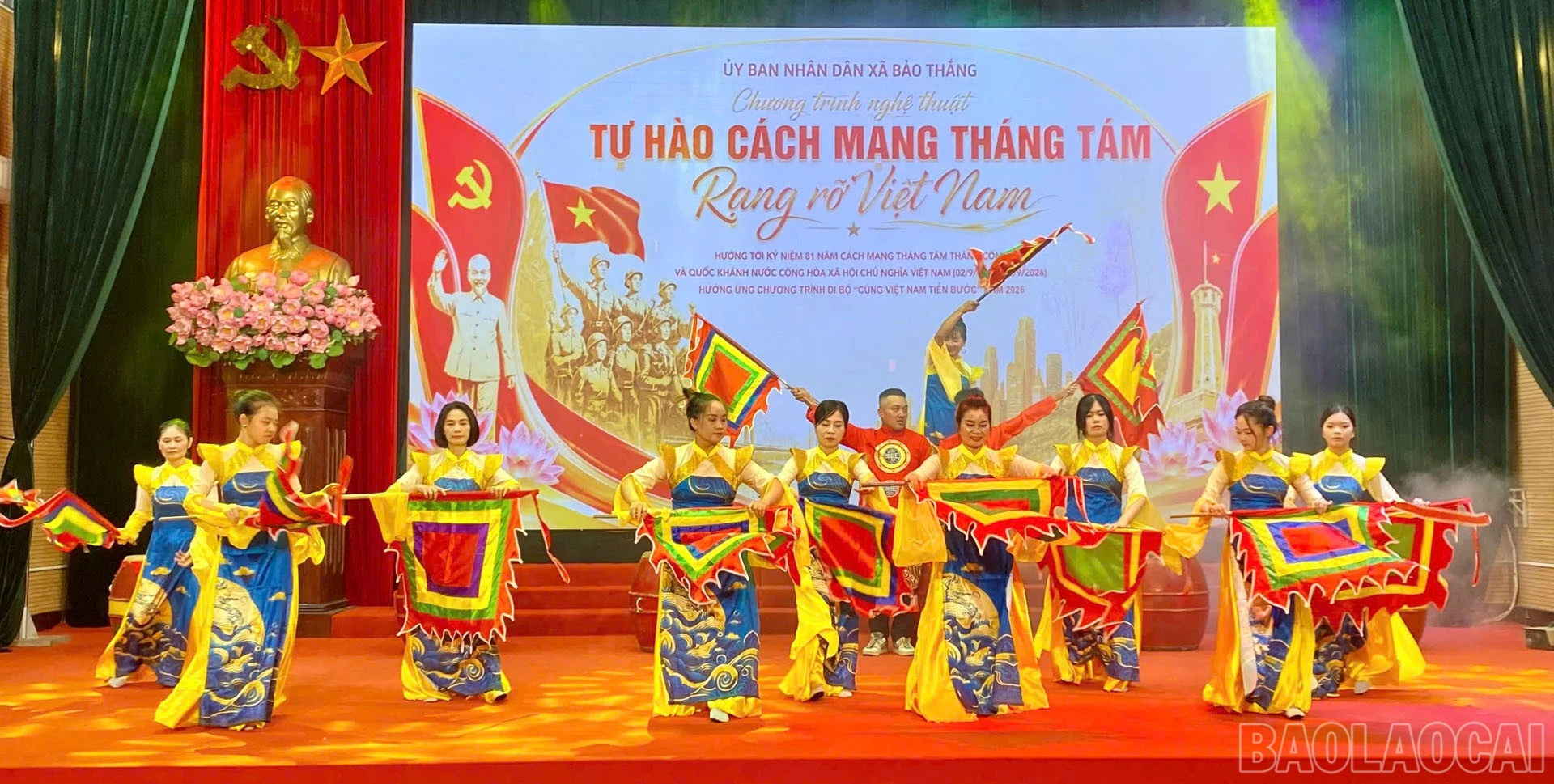
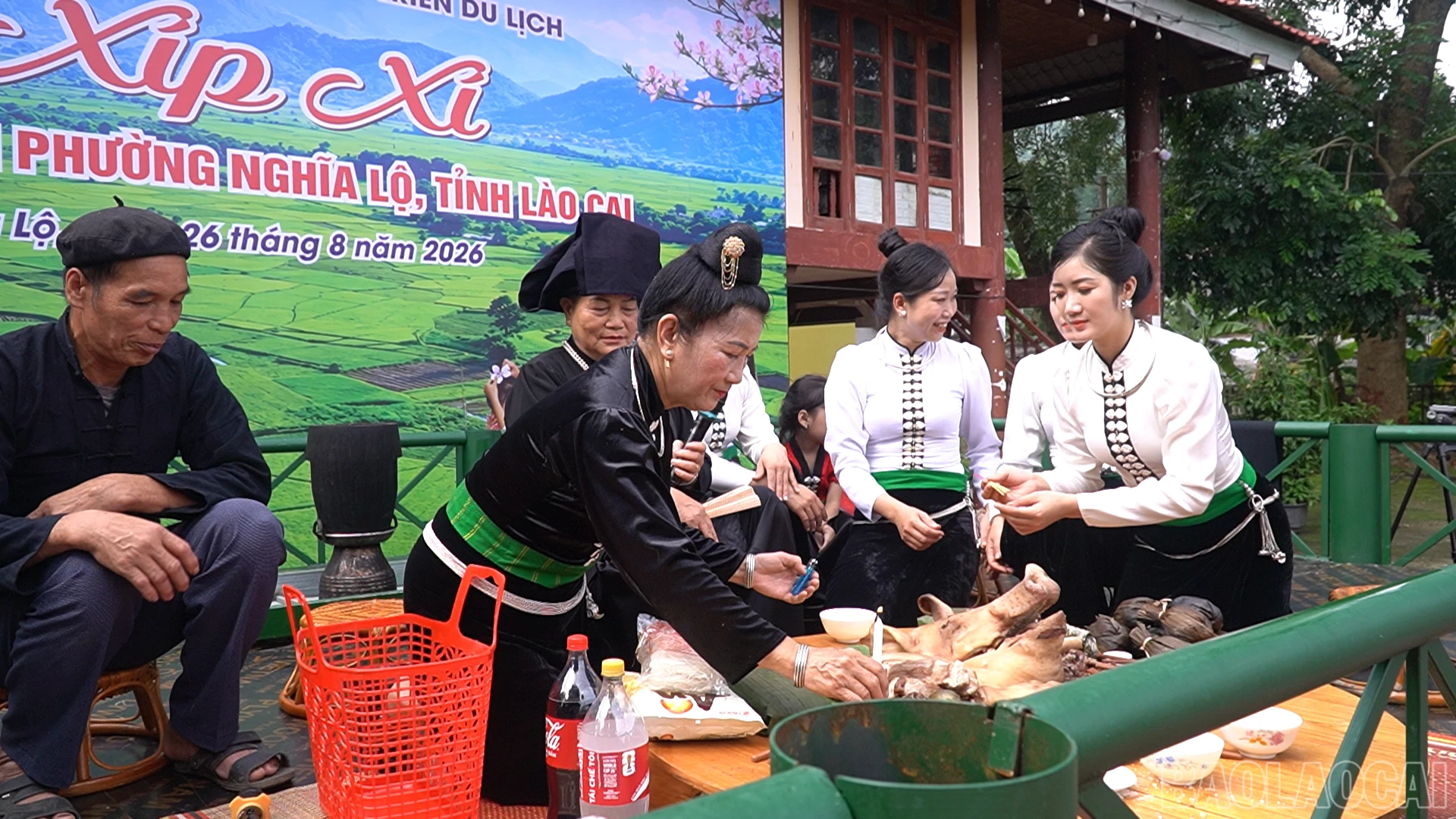
In Sa Pa district, there are 6 ethnic groups living together (Kinh, Mong, Dao, Xa Pho, Tay, Giay), each ethnic group has its own cultural identity, creating a huge and rich cultural treasure. with many different types of festivals, customs, customs, costumes, traditional crafts ... Festivals of the ethnic groups in Sa Pa are very special, also imprinted with many elements of ancient beliefs. The festival usually takes place in the early spring months and mainly within a village or region. The Mong people have a "Nao Song" (swear ceremony at the beginning of the year) held on January 1 in the forbidden forest of the whole village; Dao people have a "Nhan Song" ceremony held on the first or second day of the Lunar New Year with folk arts such as dancing interwoven with music, along with the linguistic art of telling the story of the family Desk, Trieu, Dang…; Giay people have a festival "Rooong po"; Xa Pho people in Nam Sang (Nam Sai commune) have a "Village Sweeping" festival on February 2 (lunar calendar) with many rituals to eliminate evil, pray for peace ... Currently, the scale of traditional festivals of the ethnic groups is increasingly expanded to attract more tourists to visit and experience.
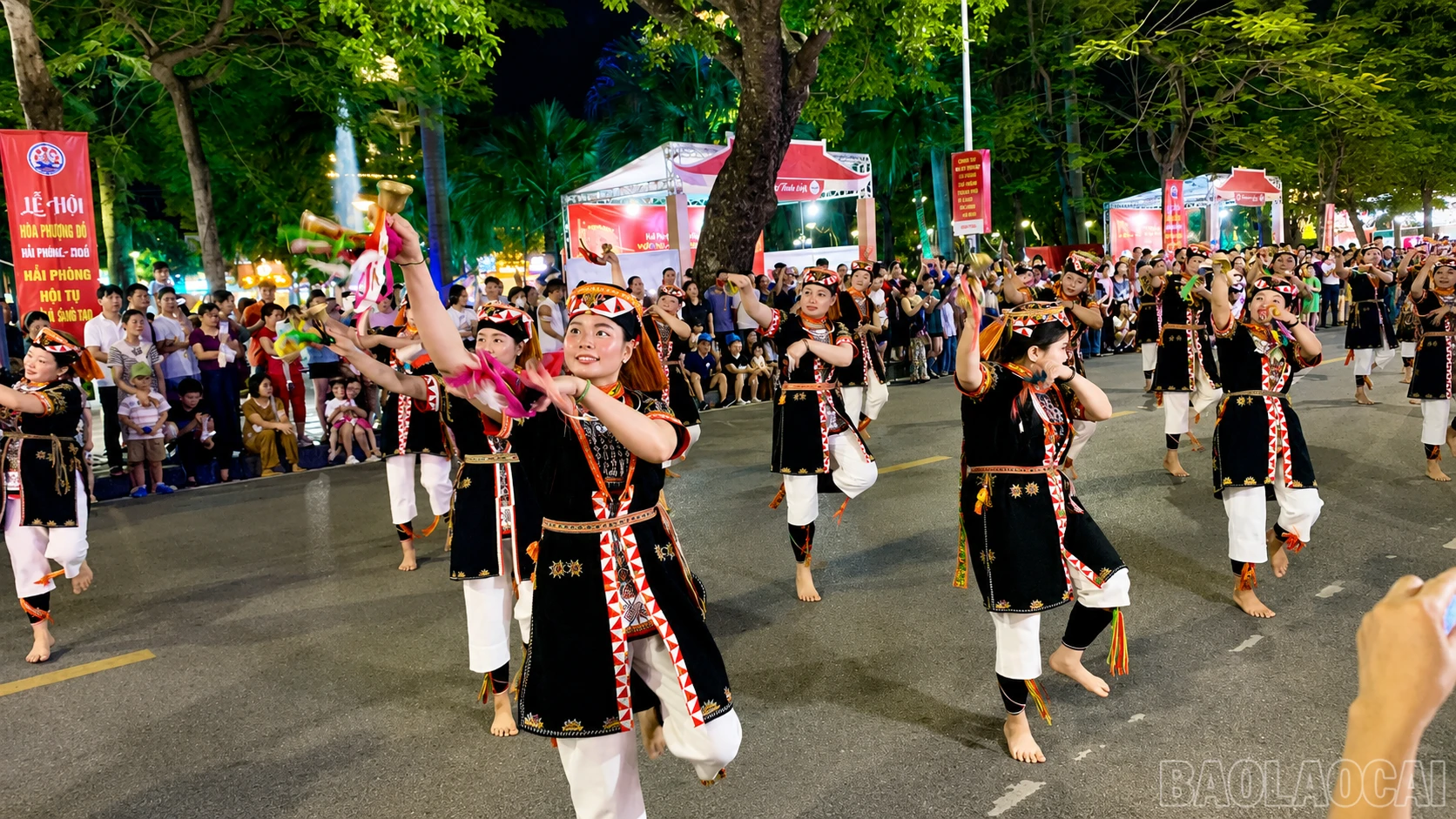
Referring to the cultural identity of ethnic groups in Sa Pa, it is impossible not to mention traditional costumes. Ethnic people's costumes are a unique folk art. With a tropical climate, cold and long winter, the clothes of the people here also have their own characteristics. The Dao and Xa Pho people like clothes with hot colors. Thick tapes are made of red and yellow and white stand out on the indigo background, creating a dazzling beauty. For the Mong, everyday clothes are mainly dark indigo, the patterns in the waist, the collar are green, yellow ...
 |
| Brocade village in Nam Sai (Sa Pa). |
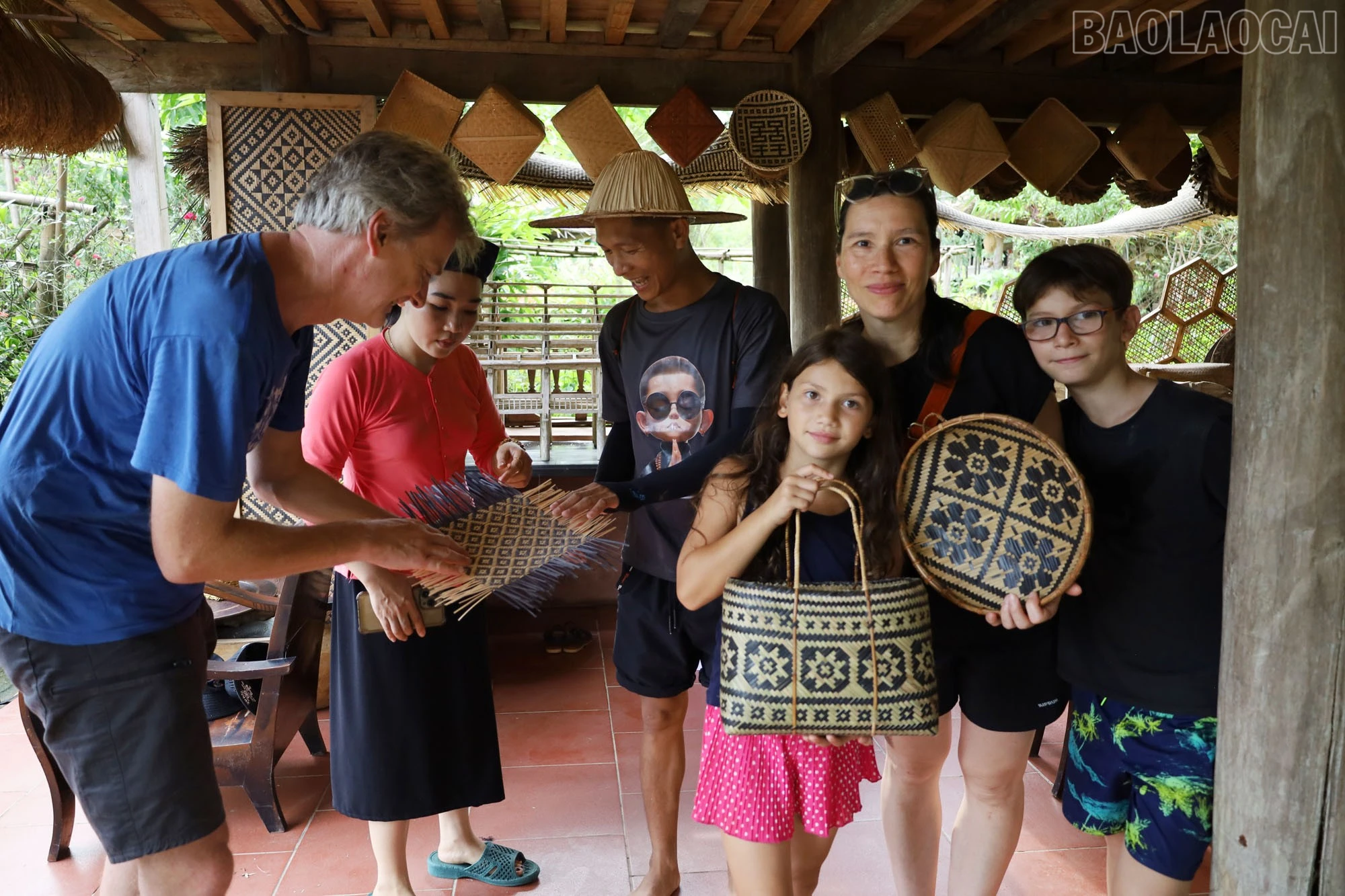
The cultural identity of ethnic groups in Sa Pa is also reflected in a number of typical handicrafts. The Xa Pho people are engaged in weaving, embroidering, and knitting. The Dao are engaged in brocade embroidery, wine making, and paper making. The Tay has a job as a blanket. The Mong have a profession of forging. Local craft villages are also interested in rebuilding to associate with the development of community tourism, serving the needs of visitors to visit and learn. This can be seen in Cat Cat village, San Sa Ho commune, there are 54 families growing flax, weaving cloth with beeswax printing, 3 forging furnaces, 1 silver carving furnace, 5 households making carpentry, 2 households making stone. and a number of artisans for paper cutting and knitting. The handicrafts with the tricks bearing the ethnic imprint are really the unique folklore heritage that Sa Pa is interested in preserving and transmitting the craft.
The preservation and promotion of the national cultural identity value associated with tourism development in recent years has been particularly interested in the province and Sa Pa district, considering it a sustainable direction to help Sa Pa people not only keep have the own identity of the nation, but also promote socio-economic development. Visitors coming to Sa Pa can not only see, hear, but also experience and immerse themselves in the life bearing the rich cultural identity of the ethnic community. At the session with key leaders of Lao Cai province in May 2015, Prime Minister Nguyen Xuan Phuc directed: Building Sa Pa into a town must go hand in hand with preserving the cultural characteristics of all ethnic groups in the area, for Sa Pa to develop not only houses, roads but also cultural identities of ethnic groups. You here are also very important.